Industrial procurement in the UAE involves more than identifying a supplier and comparing prices. For EPC contractors, construction companies, oil and gas operators, manufacturing facilities and industrial buyers, every purchase order involves technical requirements, product availability, supplier coordination, documentation and delivery expectations.
A missing technical specification, unclear quotation or misunderstood delivery condition can create complications long after an order has been placed.
Before placing an industrial procurement order, buyers should verify five essentials: product specifications, supplier capability, commercial terms, documentation requirements, and delivery responsibilities.
This guide answers 15 practical questions frequently relevant to industrial procurement decisions in the UAE.
1. What Information Should Be Included in an Industrial Procurement RFQ?
A Request for Quotation (RFQ) should provide enough technical and commercial information for a supplier to prepare an accurate, comparable offer.
An effective industrial RFQ generally includes:
- Product name and description
- Required quantity and unit of measurement
- Technical specifications or datasheets
- Manufacturer or approved brand preference
- Applicable standards and certification requirements
- Delivery location
- Required delivery date
- Preferred delivery terms
- Inspection and documentation requirements
- Contact details for technical clarification
For machinery, buyers should also mention capacity, operating environment, model preference, and whether new or used equipment is acceptable. For example, requesting "one forklift" gives a supplier very limited information.
"One 5-ton diesel forklift for outdoor material handling, with a required lifting height of approximately 4.5 metres, operating at an industrial facility in Sharjah."
The second request provides much stronger guidance for identifying suitable equipment.
2. Can One Industrial Procurement Company Source Multiple Product Categories?
Yes. A multi-category industrial procurement company may coordinate sourcing across different product groups through its supplier and procurement networks. This approach is particularly relevant to projects requiring several categories of materials or machinery.
For example, an industrial construction project may require:
| Project Requirement | Relevant Product Category |
|---|---|
| Industrial valves and flanges | Energy |
| Structural steel and piping | Infrastructure |
| Safety equipment and industrial tools | Industrial |
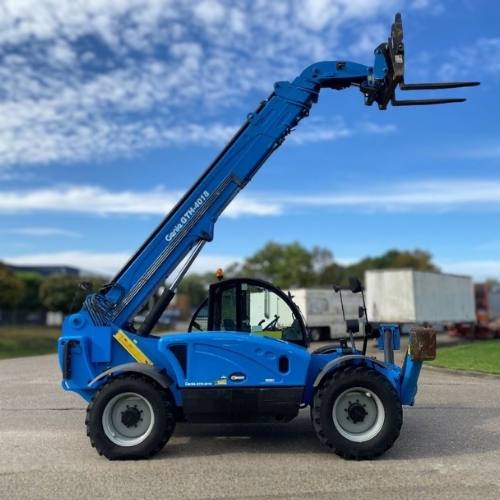
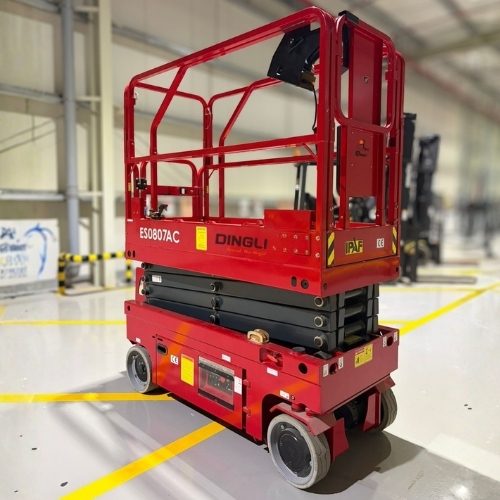
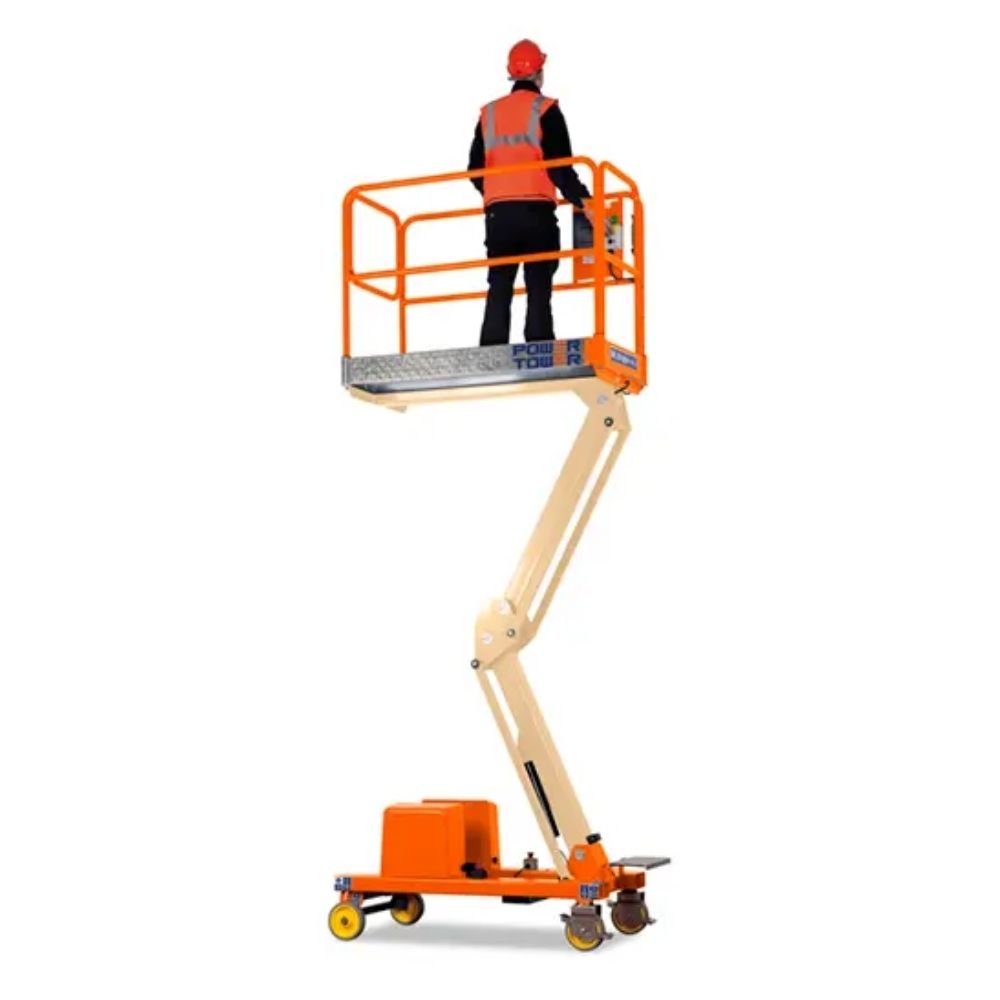
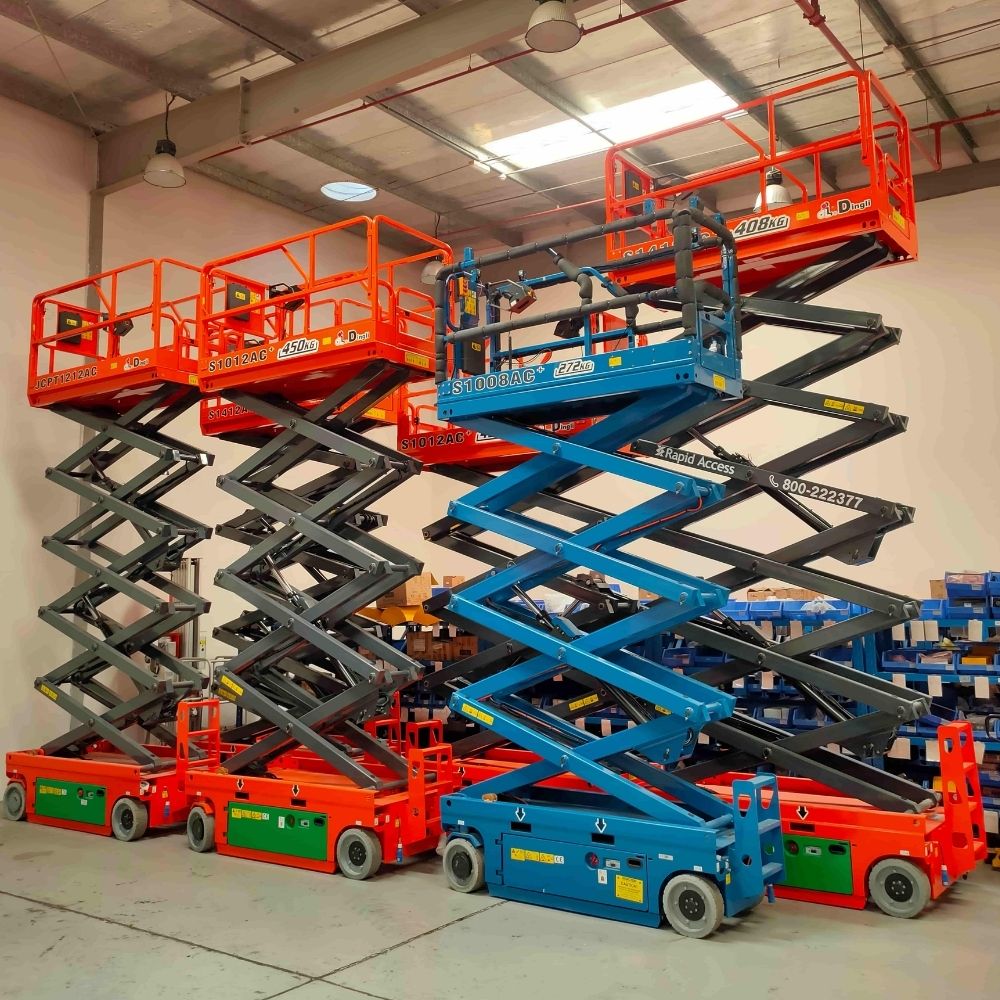
| Boom lifts and forklifts | Heavy Equipment |
| Machinery components and spare parts | Heavy Equipment / Industrial |
Rather than treating every item as an unrelated purchase, a project buyer can consolidate requirements into a structured procurement schedule. MIKAS Trading LLC supports procurement enquiries across Energy, Infrastructure, Industrial, and Heavy Equipment divisions, allowing buyers to discuss multiple product categories within one sourcing framework.
However, consolidated procurement does not automatically mean all products will come from one manufacturer, warehouse, or shipment. Availability and delivery conditions should be confirmed for each product.
3. What Is the Difference Between an RFQ, RFP and BOQ?
An RFQ, RFP, and BOQ serve different purposes in industrial procurement:
| Document | Full Form | Primary Purpose |
|---|---|---|
| RFQ | Request for Quotation | Requests prices and commercial terms for defined requirements |
| RFP | Request for Proposal | Requests a proposed technical or commercial solution |
| BOQ | Bill of Quantities | Lists measurable items, quantities, and work or supply requirements |
An RFQ is commonly used when product requirements are already clear. An RFP is more suitable when a buyer needs suppliers to propose an approach, design, system, or broader solution. A BOQ helps suppliers understand the quantities and line items associated with a project.
4. How Should Buyers Specify an Approved Manufacturer or Equivalent Product?
Buyers should distinguish between mandatory manufacturer requirements and cases where technically equivalent alternatives are acceptable.
"Manufacturer preference: Approved Brand A or technically equivalent alternative, subject to buyer approval."
When equivalent products are permitted, the supplier should be asked to disclose:
- Proposed manufacturer and model/product reference
- Material specification and technical datasheet
- Applicable standards and performance characteristics
- Country of origin, where relevant
- Any deviation from the original requirement
For industrial equipment, two products may appear similar while differing in pressure rating, material grade, operating temperature, load capacity, or dimensional compatibility. Equivalent products should therefore be assessed against the application and project requirements rather than compared on price alone.
5. What Happens When a Requested Industrial Product Is Unavailable?
Product unavailability does not always mean the entire procurement requirement must be cancelled. Depending on technical and commercial conditions, buyers may consider:
- An alternative manufacturer or technically acceptable equivalent product
- Partial supply
- Revised delivery scheduling
- Alternative sourcing locations or revised procurement sequences
However, substitutions must not be introduced without the necessary technical approval. Consider an industrial pump: an alternative pump may provide similar flow capacity but have different motor specifications, materials, or dimensions that affect system compatibility.
6. How Can Buyers Compare Quotations from Different Industrial Suppliers?
A quotation comparison should go beyond the quoted unit price to evaluate the total commercial and technical value.
Recommended Quotation Comparison Criteria
| Evaluation Factor | What Buyers Should Check |
|---|---|
| Product compliance | Does the offer match the requested specification? |
| Manufacturer | Is the proposed brand acceptable? |
| Unit price | Is the price quoted on a comparable basis? |
| Availability | Is stock physically available or subject to sourcing? |
| Delivery period | Is the lead time confirmed or estimated? |
| Documentation | Are required certificates and technical documents included? |
| Warranty | What is covered and for how long? |
| Delivery terms | Which party handles transport, loading, and clearance? |
| Payment terms | What advance payment or credit terms apply? |
| Exclusions | Are any charges or services excluded? |
A quotation offering a lower product price may become more expensive if essential services, documentation, or transport are excluded.
7. What Technical Documents Should Buyers Request Before Ordering Industrial Equipment?
Required documentation depends on the product, industry, applicable standards, and project specifications. Common documents may include:
- Manufacturer technical datasheets and dimensional drawings
- Product catalogues or model specifications
- Material certificates and test reports
- Product compliance and inspection documents
- Warranty information and operating/maintenance manuals
- Equipment identification or serial-number records
Requesting missing documents after placing an order can create avoidable procurement and project-approval complications.
8. What Is the Difference Between OEM, Aftermarket and Equivalent Industrial Components?
These terms describe different sourcing categories and should not be treated as interchangeable:
- OEM components: Supplied by or under the equipment's original manufacturer arrangements.
- Aftermarket components: Produced or supplied outside the original equipment manufacturer's supply channel.
- Equivalent components: Proposed as alternatives intended to meet specified functional or technical requirements.
For safety-critical components, procurement decisions should strictly follow manufacturer guidance, engineering requirements, and applicable standards.
9. How Can Buyers Verify Whether Industrial Equipment Is Actually Available in UAE Stock?
Buyers should distinguish between a product being advertised in the UAE and a product being physically available at a specific location. Before placing an order, request confirmation of:
- Exact model, quantity, and current physical location
- Availability date and new/used condition
- Photos of the actual unit and serial numbers
- Possibilities for site inspection and reservation conditions
- Dispatch readiness
10. What Is the Difference Between Ex-Stock, Lead Time and Estimated Delivery?
Ex-stock
Ex-stock generally means goods are available from existing stock at a stated location, subject to confirmation and sale conditions. It does not automatically guarantee immediate delivery to the project site.
Lead time
Lead time is the period required to make goods ready for the agreed supply or delivery milestone (e.g., manufacturing, sourcing, or testing).
Estimated delivery
Estimated delivery is a projected date or period for arrival and may depend on freight, documentation, customs, or site-loading clearance.
11. What Costs Should Be Included in an Industrial Procurement Quotation?
A procurement quotation should make all applicable charges and exclusions completely clear. Potential cost components include:
- Equipment or product price & applicable VAT
- Packaging, preparation, loading, and handling
- Inland transport, freight, and marine/cargo insurance
- Inspection, testing, and export/customs documentation
- Delivery or site-unloading arrangements
12. How Do Incoterms Affect Industrial Equipment Procurement?
Incoterms define responsibilities between buyers and sellers regarding transport, delivery obligations, allocation of costs, transfer of risk, insurance, and export/import customs clearance. Common terms include EXW, FCA, FOB, CIF, and DAP.
Buyers should ensure that the quotation specifies the correct Incoterms rule, version, and named place or port to avoid costly shipping misunderstandings.
13. Can UAE Industrial Procurement Companies Support Overseas Projects?
Yes. UAE-based industrial sourcing businesses can support international project enquiries across GCC countries, other Middle Eastern markets, Africa, and India.
Cross-border procurement involves export documentation, freight planning, equipment transport coordination, and country-specific import compliance. MIKAS Trading LLC actively supports international sourcing and logistics-related project enquiries.
14. What Should Buyers Verify Before Releasing a Purchase Order?
Industrial Procurement Pre-Order Checklist
| Verification Item | Buyer Check |
|---|---|
| Correct product and model | Confirmed |
| Technical specifications | Reviewed |
| Manufacturer or equivalent approval | Confirmed |
| Quantity and unit of measurement | Verified |
| Final quotation and currency | Agreed |
| VAT and additional charges | Clarified |
| Availability and lead time | Confirmed |
| Delivery destination and terms | Specified & Agreed |
| Payment terms and warranty | Approved & Reviewed |
| Required technical documents | Listed & Attached |
| Supplier and buyer details | Verified |
15. How Can MIKAS Trading LLC Support Multi-Category Industrial Procurement Requirements?
MIKAS Trading LLC is a UAE-based industrial procurement and supply partner supporting multi-discipline enquiries across four divisions:
- Energy: Pipeline equipment, valves, actuators, pipes, fittings, flanges, pumps, and process equipment.
- Infrastructure: Structural steel, plumbing, construction materials, power generation, HVAC, and water systems.
- Industrial: Industrial tools, hoses, PPE, electrical materials, welding consumables, and MRO requirements.
- Heavy Equipment: Boom lifts, scissor lifts, forklifts, telehandlers, earthmoving machinery, spare parts, and tyres.