
7 Mistakes Contractors Make When Buying Access Equipment
Buying access equipment such as boom lifts or scissor lifts is a critical decision for contractors and project managers.
The right machine can improve productivity, safety, and efficiency on site. The wrong choice, however, can lead to delays, increased costs, and operational risks.
In fast-moving construction environments, many equipment decisions are made under pressure.
As a result, contractors sometimes overlook key factors that affect long-term performance and project success.
This guide highlights seven common mistakes contractors make when buying access equipment and how to avoid them.
1. Choosing the Wrong Equipment Type
One of the most common mistakes is selecting equipment without fully understanding the job requirements.
Many contractors assume that all aerial work platforms serve the same purpose. In reality, different machines are designed for different tasks.
For example:
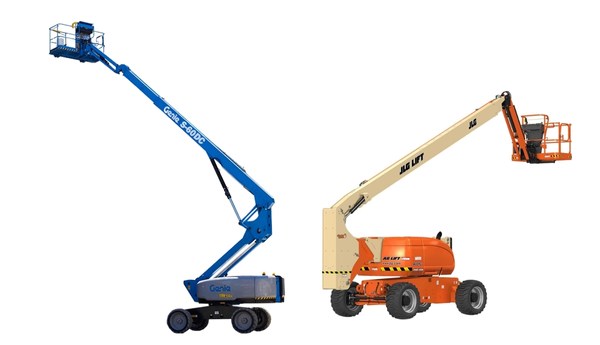
- Boom lifts provide horizontal reach and flexibility
- Scissor lifts offer vertical elevation with a stable platform
Choosing a boom lift when a scissor lift is needed or vice versa can reduce efficiency and increase project time.
How to avoid this:
Always evaluate the nature of the work:
- Do you need vertical lift or horizontal reach?
- Are there obstacles to navigate?
- Is the work indoors or outdoors?
Selecting the right equipment type ensures smoother operations.
2. Ignoring Working Height Requirements
Another frequent mistake is underestimating or miscalculating the required working height.
Contractors sometimes choose equipment that barely meets the required height. This creates limitations during operation and may even compromise safety.
How to avoid this:
Choose equipment with additional working height beyond the minimum requirement. This provides:
- safer operation
- better flexibility
- room for unexpected site conditions
A small margin in height can make a significant difference on-site.
3. Overlooking Site Conditions
Not all job sites are the same. Terrain, space constraints, and surface conditions play a major role in equipment performance.
For instance:
Rough terrain requires diesel or rough-terrain machines
Indoor environments require electric equipment
Tight spaces may require compact models
Ignoring these factors can lead to operational difficulties or even equipment failure.
- How to avoid this:
Assess the site carefully: - Is the ground stable or uneven?
- Is there limited maneuvering space?
- Will the equipment be used indoors or outdoors?
Matching equipment to site conditions improves both safety and efficiency.
4. Focusing Only on Price
Cost is always an important factor, but choosing equipment based solely on price can be a costly mistake in the long run.
Lower-priced equipment may:
- require frequent maintenance
- have shorter operational life
- lack proper support
In many cases, what seems like a cost-saving decision leads to higher expenses over time.
How to avoid this:
Focus on value, not just price. Consider:
- equipment condition
- reliability
- availability of spare parts
- after-sales support
A well-maintained machine with proper support often delivers better long-term value.
5. Ignoring After-Sales Support
Access equipment is not a one-time purchase — it requires ongoing maintenance and support.
One of the biggest challenges contractors face is equipment downtime. Without proper support, even minor issues can delay projects.
How to avoid this:
Choose suppliers who provide:
- spare parts availability
- maintenance support
- quick response times
Reliable after-sales support ensures that equipment remains operational throughout the project lifecycle.
6. Not Checking Equipment History (For Used Machines)
Used equipment can be a cost-effective option, but only if it has been properly maintained.
Many contractors make the mistake of purchasing used machinery without verifying its history.
This can lead to:
- unexpected
- breakdowns
- safety risks
- increased repair costs
How to avoid this:
Always check:
- service history
- inspection reports
- operating hours
- previous usage conditions
Working with trusted suppliers who inspect equipment before sale can reduce these risks.
7. Buying Through Multiple Intermediaries
In many cases, equipment is sold through brokers or intermediaries. Each layer adds cost and reduces transparency.
This can result in:
- higher purchase prices
- unclear equipment historyl
- imited accountability
How to avoid this:
Whenever possible, buy directly from suppliers who:
- source equipment
- clear documentation
- offer direct communication
Direct sourcing not only reduces cost but also improves trust and reliability.
Conclusion
Buying access equipment is more than just a purchasing decision it directly impacts project efficiency, safety, and long-term operational success.
By avoiding these common mistakes, contractors can make smarter decisions and ensure that their equipment supports their project goals effectively.
The key is to focus on:
- choosing the right equipment type
- understanding project requirements
- prioritizing quality and support
- working with reliable suppliers
In an industry where time and safety are critical, the right equipment choice can make all the difference.