


How an All-Terrain Crane Was Sourced from China and Delivered for a National Highway Project in India
KG Nair
Export Manager (Asia-Pacific) , Mikas
[email protected]
Table of Contents
Project Background
In mid-2025, a large Indian infrastructure contractor working on a National Highway development project faced a critical equipment requirement.
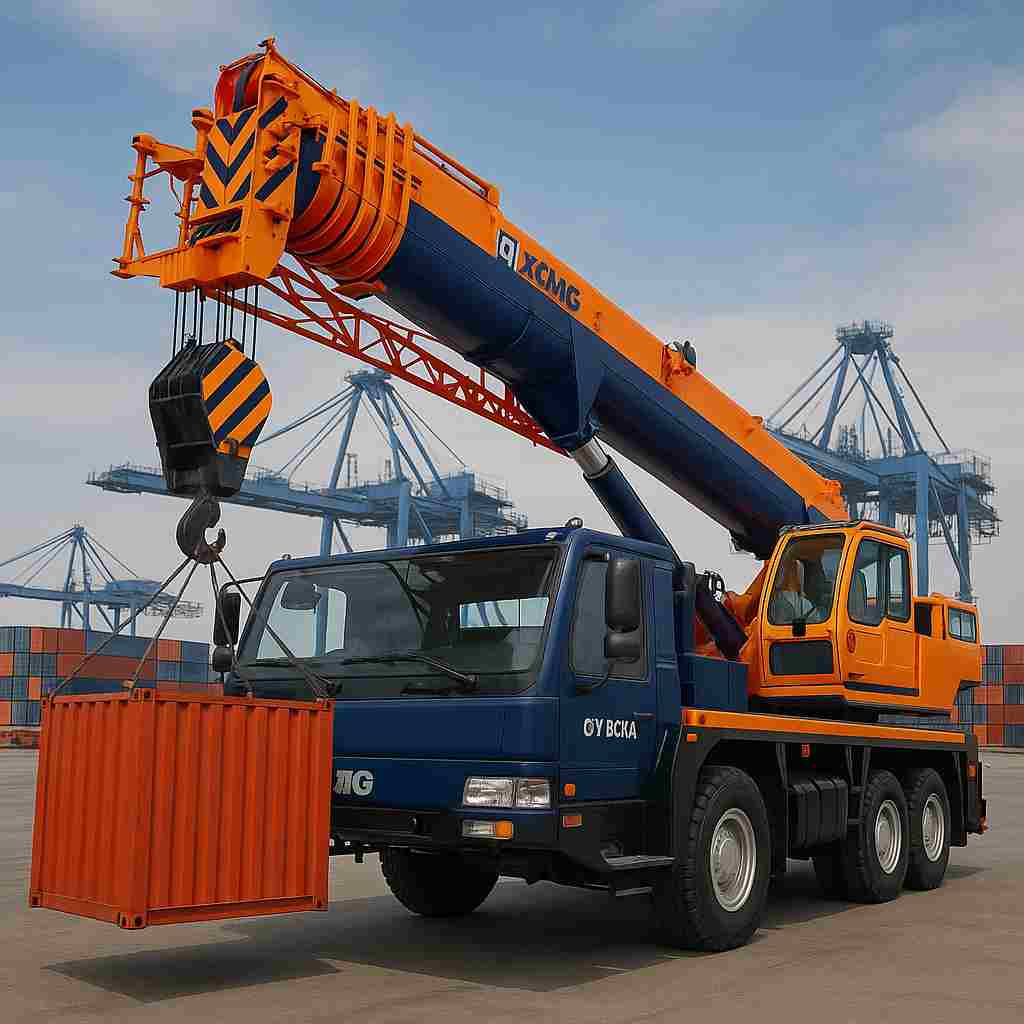
The project involved bridge work and heavy precast handling across uneven terrain, requiring a reliable all-terrain crane with strong lifting capacity and mobility.
The contractor had a tight mobilization window and limited flexibility on specifications due to project approvals. The requirement was clear:
- One all-terrain crane suitable for highway and bridge construction
- Compliance with Indian project standards
- Cost-effective sourcing without broker markups
- Controlled delivery timeline aligned with site readiness
After initial discussions with regional suppliers in India, the project team realized that local availability was limited, and pricing for comparable machines was significantly higher than expected.
The Challenge
The primary challenges faced by the project team were:
- Limited local stock of suitable all-terrain cranes
- High domestic pricing due to demand from multiple infrastructure projects
- Need for verified machine condition and documentation
- Coordination between international sourcing, export compliance, and Indian import regulations
- Ensuring the crane would arrive in time for foundation and girder placement schedules
- With project milestones approaching, delays were not an option.
The Sourcing Strategy
The contractor approached Mikas after being referred by a regional partner familiar with cross-border equipment sourcing. After reviewing the project requirements, Mikas proposed an international sourcing approach, focusing on manufacturers and yards in China with proven experience in supplying all-terrain cranes for global infrastructure projects.
The sourcing plan focused on:
- Identifying manufacturers with export experience to South Asia
- Verifying crane specifications against Indian highway project requirements
- Ensuring availability of technical documentation and inspection records
Within a short evaluation period, a suitable all-terrain crane was identified from a Chinese supplier with a strong track record in large-scale infrastructure equipment.
Inspection and Verification
Before proceeding, the crane underwent a structured inspection process:
- Verification of load charts and lifting capacity
- Functional testing of boom, steering, and hydraulic systems
- Review of manufacturing and service records
- Visual inspection for structural integrity and wear
- Confirmation of compliance with export and import documentation
Inspection videos and reports were shared with the Indian project team, allowing their engineers to review and approve the machine remotely.
Logistics and Export Coordination
Once approved, Mikas coordinated the export process from China, managing:
- Export documentation and HS classification
- Port handling and loading supervision
- Shipping arrangements to India
- Coordination with freight partners for customs clearance
The crane was shipped via sea freight to an Indian port aligned with the project location, minimizing inland transport complexity and cost.
During transit, the project team received regular status updates, including shipping milestones and estimated arrival timelines
Import and Delivery in India
Upon arrival in India, the import process was handled smoothly with:
- Advance preparation of customs documentation
- Alignment with local import regulations for heavy construction equipment
- Coordination of inland transport to the highway project site
After delivery, the crane underwent on-site commissioning and inspection before being deployed into active operations.
Project Outcome
The all-terrain crane was mobilized on site as planned and integrated into the project workflow without disruption.
Key outcomes included:
Successful sourcing of a suitable all-terrain crane despite limited local availability
- Cost savings compared to equivalent domestic options
- On-time delivery aligned with highway project milestones
- Smooth coordination across China sourcing, international shipping, and Indian delivery
- Reliable performance during early lifting and bridge construction activities
The project team was able to proceed with critical lifting operations without delay, supporting timely progress on the national highway development.
Key Takeaways
- International sourcing can be a viable solution when local markets face availability or pricing constraints
- Structured inspection and documentation reduce procurement risk
- Coordinated logistics planning is critical for time-sensitive infrastructure projects
- Clear communication across all stages builds confidence for cross-border equipment procurement
Conclusion
This case demonstrates how global sourcing, when managed carefully, can support large infrastructure projects without compromising timelines or equipment reliability.
By aligning technical requirements, inspection standards, and logistics planning, Mikas helped bridge the gap between international supply and on-ground execution for a major highway project in India.
For infrastructure contractors operating under tight schedules, flexible sourcing strategies can make the difference between delay and delivery.