A Practical Guide to Machinery Shipping, Customs Documentation, Used Equipment Exports and International Logistics:-
The UAE is an important sourcing and logistics location for companies purchasing heavy equipment for construction, infrastructure, industrial operations, warehousing and international projects. Buyers frequently source equipment such as boom lifts, scissor lifts, forklifts, telehandlers, mobile cranes and used construction machinery from UAE-based suppliers.
However, identifying a suitable machine is only one part of the purchasing process. Before equipment can be imported, exported or delivered to a project site, buyers may need to consider customs documentation, machine dimensions, transport arrangements, applicable duties, destination-country requirements and commercial delivery terms.
Heavy equipment import and export planning begins with five essential details: machine identification, equipment condition, shipping dimensions, documentation requirements and agreed delivery responsibilities.
This guide answers 15 frequently asked questions relevant to buyers importing or exporting heavy equipment through the UAE.
1. What Documents Are Required to Import Heavy Equipment into the UAE?
Importing heavy equipment generally requires commercial documents, transport documentation and the appropriate customs declaration. The exact requirements depend on the customs authority, import procedure, product classification and whether the equipment is entering the UAE mainland or a free zone.
Common documents include:
- Commercial invoice
- Packing list
- Bill of lading, airway bill or applicable transport document
- Certificate of origin, where required
- Customs declaration
- Delivery order, where applicable
- Importer registration and relevant trade licence
- Permits or approvals for restricted or regulated goods, where applicable
For used machinery, buyers should also prepare equipment identification details, including the manufacturer, model, year and serial number when available. A clearly documented shipment can help customs representatives and logistics partners identify the correct goods and reduce avoidable clarification requests.
2. Can Used Heavy Equipment Be Imported into the UAE?
Used heavy equipment can be imported into the UAE where the particular machinery satisfies applicable customs, regulatory and entry requirements. The buyer should verify the equipment's condition, identification, documentation and intended use before arranging shipment.
Important considerations include:
- Equipment type and model
- Year of manufacture and serial number
- Country of origin
- Mechanical and operational condition
- Applicable product or machinery compliance requirements
- Customs classification
- Any permit or approval requirements
- Intended use, including mainland use, free-zone storage or re-export
Import eligibility should never be assumed solely because a similar machine has entered the UAE previously. This is particularly important when purchasing specialized machinery or equipment with unusual technical characteristics.
3. What Is the Difference Between Importing, Exporting and Re-exporting Heavy Machinery?
These three terms describe different customs movements:
| Transaction | Meaning | Example |
|---|---|---|
| Import | Equipment enters the UAE from another country | A forklift shipped from Europe to Dubai |
| Export | Equipment leaves the UAE for another country | A boom lift dispatched from Sharjah to an overseas buyer |
| Re-export | Previously imported equipment is shipped out under an applicable re-export procedure | Imported construction machinery subsequently supplied to an African project |
Re-export transactions may involve different declaration procedures, documentation and customs treatment from ordinary exports. Buyers should also establish whether the machinery is being transferred through a free zone, customs warehouse or another authorized customs arrangement. The classification of the transaction matters because it affects customs formalities and potentially the treatment of duties or guarantees.
4. What Shipping Methods Are Used for Heavy Equipment Exports from the UAE?
The shipping method depends on machine size, weight, mobility, destination and project requirements.
Common Heavy Equipment Shipping Options
| Shipping Method | Typical Suitability | Key Consideration |
|---|---|---|
| Roll-on/Roll-off (RoRo) | Suitable self-propelled or towable machinery accepted by the carrier | Operational condition and carrier acceptance |
| Flat-rack container | Oversized machinery that cannot fit inside a standard container | Securing, dimensions and over-width/over-height limits |
| Standard container | Compact equipment or dismantled machinery | Internal dimensions, payload and loading method |
| Breakbulk cargo | Large or unusually shaped machinery | Lifting arrangements and cargo securing |
| Road transport | UAE and selected regional movements | Route permits, axle loads and dimensions |
| Air freight | Selected compact equipment or urgent components | Weight, dimensions and transport cost |
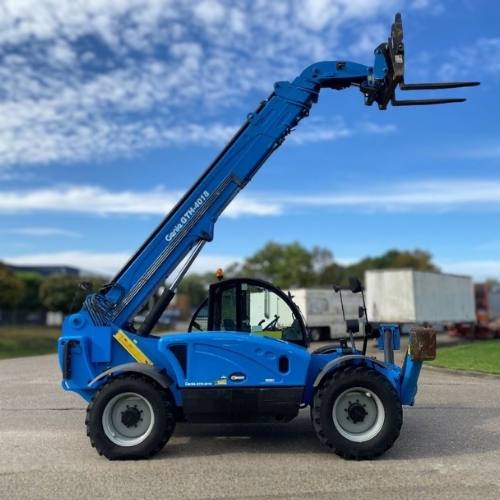
A used forklift may fit into a container depending on its dimensions, while a large telescopic boom lift may require a different shipping arrangement. A mobile crane can require specialized handling because of its weight, configuration and transport dimensions.
5. What Information Is Needed to Get a Heavy Equipment Shipping Quotation?
A freight forwarder or logistics coordinator needs more than the equipment's brand and model. For an accurate shipping enquiry, buyers should provide:
- Equipment type
- Manufacturer and model
- Quantity
- Actual transport weight
- Length, width and height in shipping configuration
- Collection location
- Destination country and delivery point
- Self-propelled or non-operational condition
- Loading and lifting requirements
- Preferred shipping period
Additional information may include battery type, fuel arrangements, detachable components and available lifting or lashing points.
Example Shipping Enquiry
Equipment: Used telescopic boom lift
Collection: UAE equipment yard
Destination: Overseas project site
Condition: Operational status to be confirmed
Dimensions: Actual shipping configuration to be supplied
Services required: Collection, loading, sea freight and documentation coordination
Providing complete information helps logistics partners identify suitable shipping methods and assess potential restrictions.
6. How Are Boom Lifts, Scissor Lifts and Forklifts Prepared for Shipping?
Preparing access and material-handling equipment for transportation depends on the manufacturer's instructions and the selected carrier's requirements. Common preparation activities may include:
- Confirming the machine identity and recording external condition
- Checking shipping dimensions
- Lowering and securing the platform or boom
- Identifying manufacturer-approved tie-down points and securing movable components
- Managing battery and fuel requirements
- Confirming loading accessibility and preparing shipment documentation
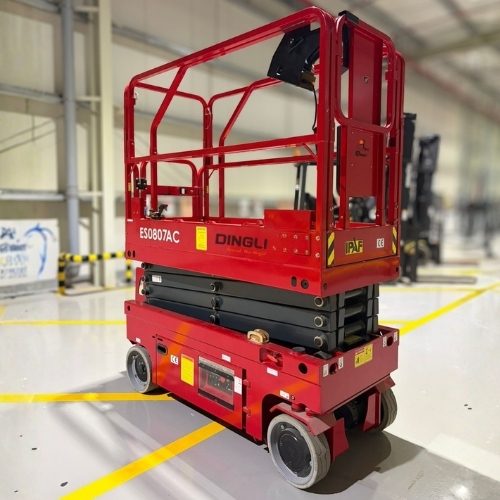
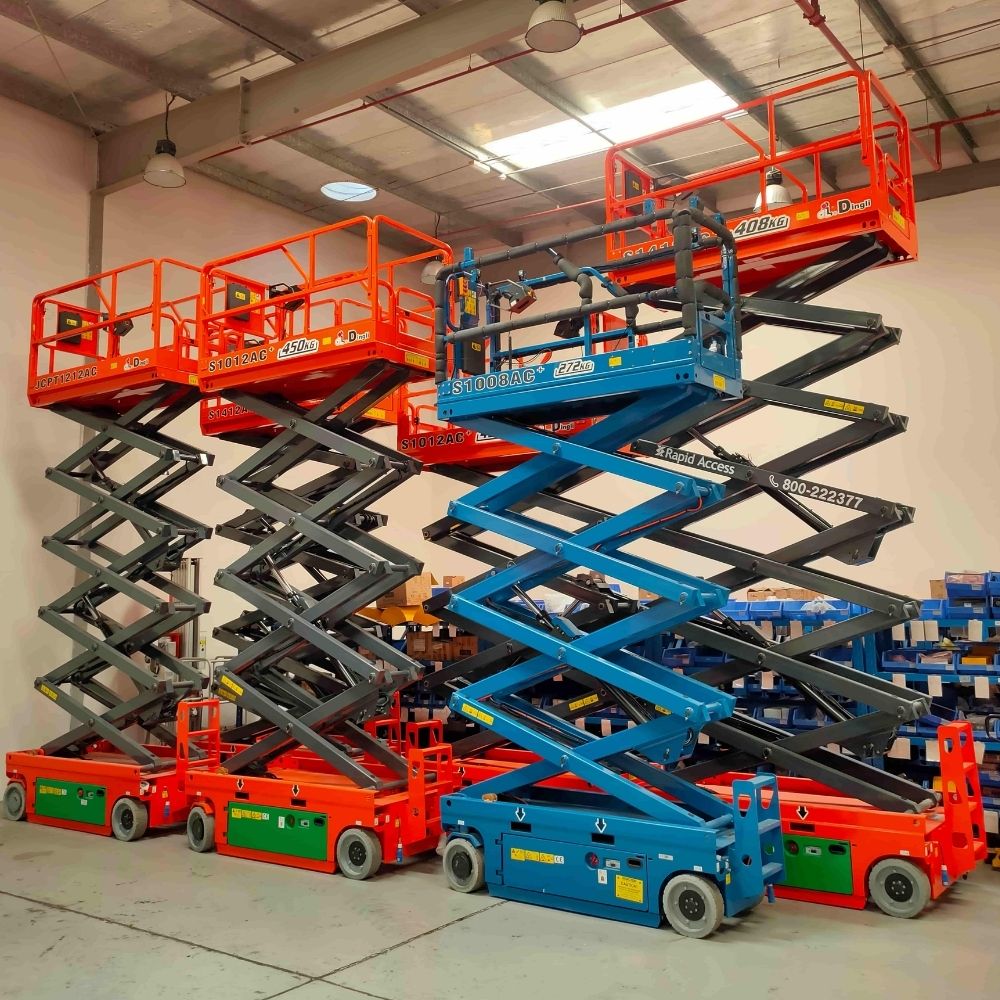
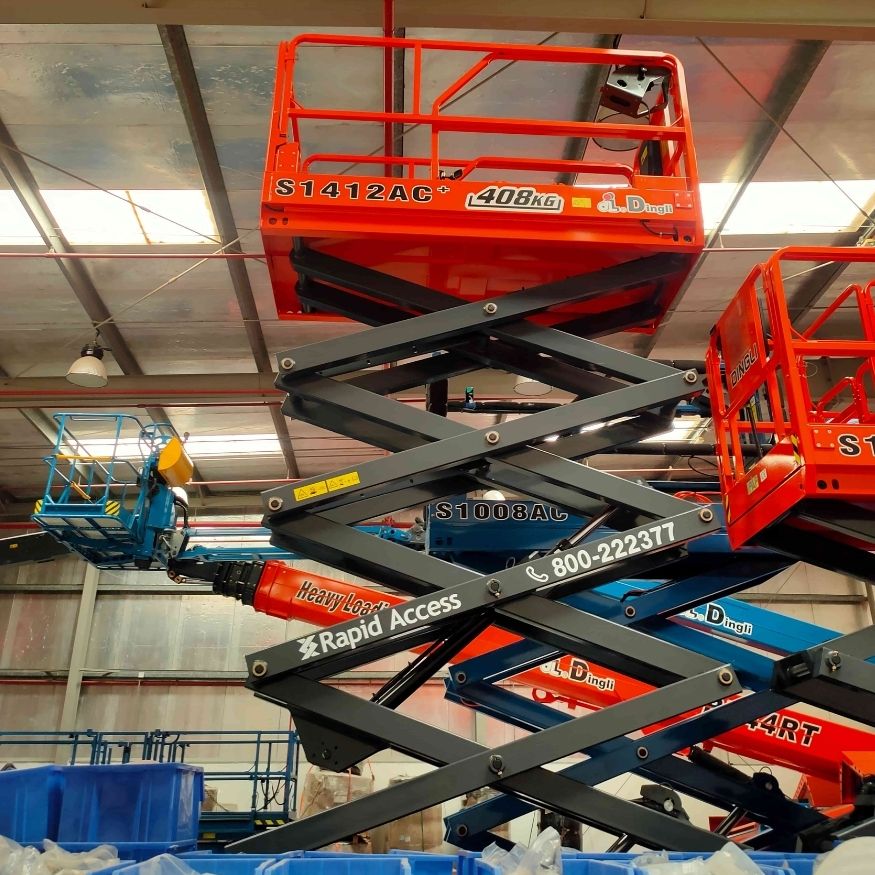
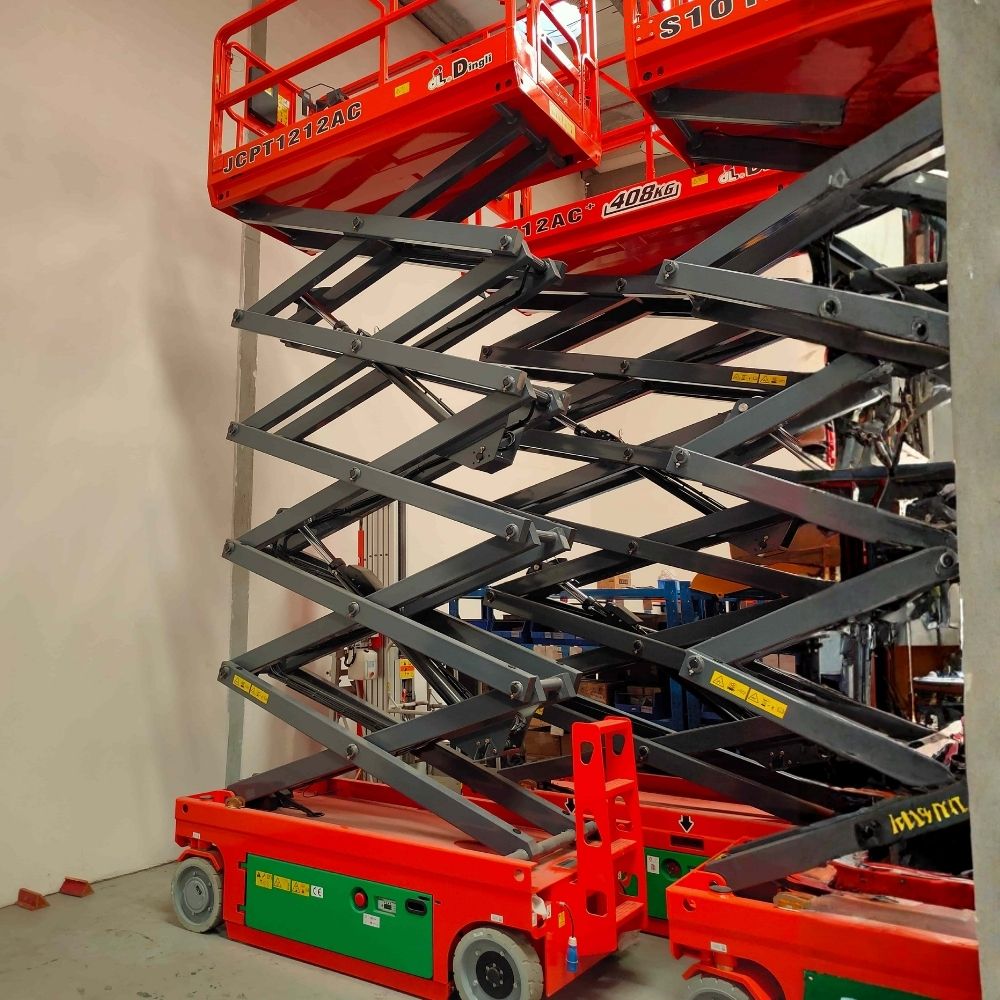
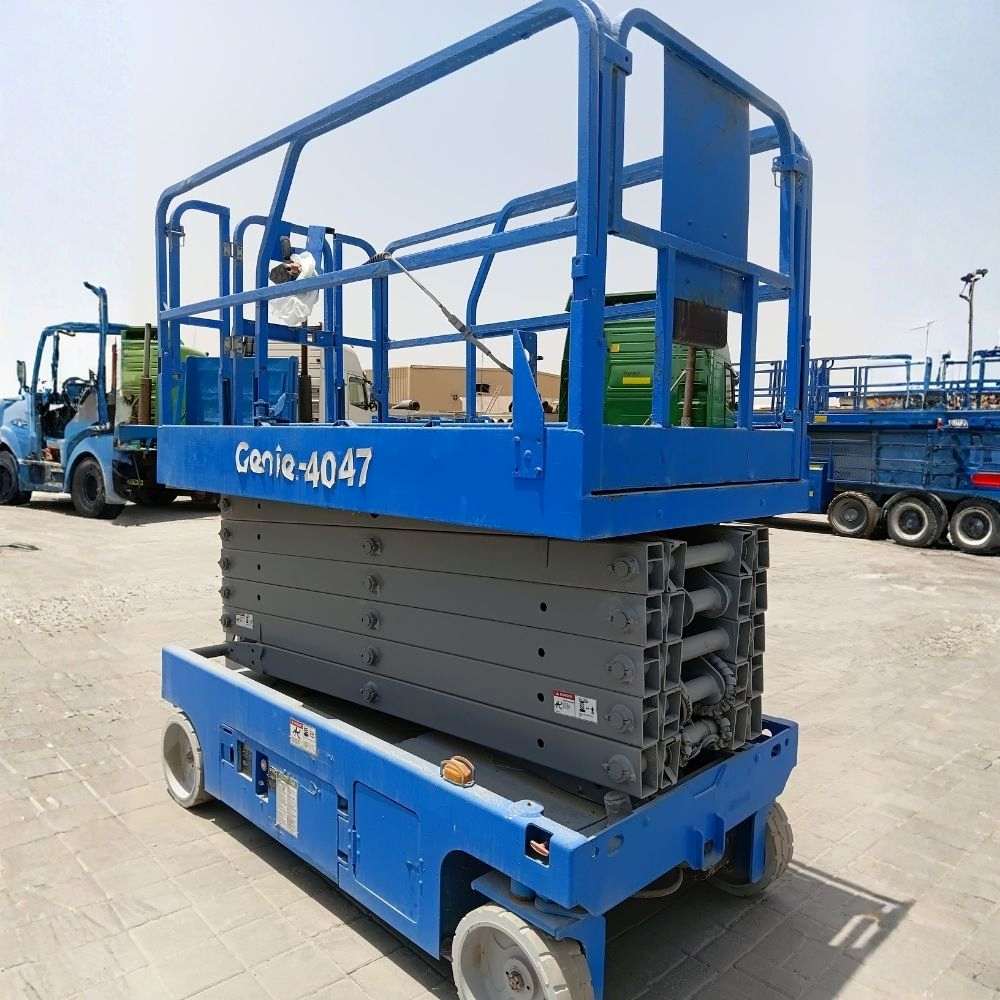
For a boom lift, the transport configuration may affect its overall length and height. For a scissor lift, platform position, extensions and securing requirements must be considered. For a forklift, the mast configuration, forks, attachments and power source may affect transport planning. Transport preparation should follow the applicable equipment manufacturer's instructions and professional cargo-securing procedures.
7. What Should International Buyers Inspect Before Exporting Used Machinery from UAE?
Used heavy equipment buyers should obtain enough information to understand the machine's condition before accepting the transaction.
| Inspection Area | What to Verify |
|---|---|
| Equipment identification | Make, model and serial number |
| Operating hours | Hour meter reading and available service history |
| Tyres or tracks | Visible wear and condition |
| Hydraulic systems | Leaks, hoses, cylinders and operation |
| Engine or power system | Starting, performance and visible issues |
| Controls | Basic operational functions |
| Structure | Visible damage, cracks or repairs |
| Attachments | Completeness and suitability |
| Documentation | Available records, manuals and certificates |
| Transport condition | Whether the equipment can be safely loaded and shipped |
Photographs and machine walkaround videos can help buyers evaluate visible condition. However, they do not replace an independent physical inspection or guarantee that all mechanical problems will be identified. For high-value used machinery, buyers may consider arranging a qualified third-party inspection before completing the purchase.
8. What Are Incoterms, and Why Do They Matter in Heavy Equipment Export?
Incoterms are internationally recognized trade terms published by the International Chamber of Commerce. They help establish responsibilities relating to delivery, transport, costs and the transfer of risk between buyers and sellers.
| Incoterm | General Commercial Meaning |
|---|---|
| EXW | Goods made available at an agreed place, with limited seller obligations |
| FCA | Seller delivers goods to the carrier or another nominated party at the named place |
| FOB | Seller delivers goods on board the vessel at the named port of shipment |
| CIF | Seller arranges and pays for freight and specified insurance to the destination port |
| DAP | Seller delivers to the named destination, ready for unloading, with import formalities generally remaining the buyer's responsibility |
The appropriate term depends on the transport mode and the parties' agreement. For example, FOB and CIF are designed for sea and inland waterway transport, while FCA and DAP can be used for different transport modes. A quotation should identify the selected rule, its named place or port, and the Incoterms version. Incoterms do not automatically determine product ownership, payment deadlines or all contractual responsibilities.
9. What Customs Duties and Taxes Apply to Heavy Equipment Imported into UAE?
Customs duties and taxes depend on the equipment's classification, origin, customs procedure and applicable legal provisions. Certain standard imports may attract customs duty, while exemptions or different treatments can apply in specific circumstances.
Buyers should verify:
- Correct HS classification and customs value
- Applicable duty rate and VAT treatment
- Relevant exemptions
- Free-zone or re-export arrangements
- Customs processing fees
It is also important to distinguish import duty from VAT and other charges. For exported machinery, UAE VAT zero-rating may apply when the legal conditions are satisfied and the required supporting evidence is retained. Buyers and sellers should confirm the specific tax treatment with their customs representative or tax adviser rather than assuming every export or re-export is automatically tax-free.
10. What Is an HS Code, and Why Is It Important for Machinery Shipping?
The Harmonized System (HS) is an international product classification system used in customs and trade procedures. Machinery classification depends on the equipment's characteristics and applicable tariff rules.
Different equipment categories may be classified differently, including forklifts, mobile cranes, excavators, aerial work platforms, construction attachments and industrial spare parts. An incorrect HS classification can affect duty assessment, document requirements, customs processing and regulatory checks. Buyers should provide detailed product descriptions and technical information to the customs representative responsible for classification.
11. Can Heavy Equipment Be Exported from UAE to GCC and African Markets?
UAE-based suppliers can coordinate equipment export enquiries for GCC, African and other international markets, subject to applicable trade rules and destination requirements. However, shipping procedures are not identical across countries. An equipment shipment to Saudi Arabia may involve different documentation and compliance requirements from a shipment to Tanzania, Oman or Kenya.
Before exporting, verify:
- Destination import regulations and technical compliance requirements
- Machinery age or condition restrictions, if applicable
- Customs classification, required permits, taxes and duties
- Transport accessibility, port handling and unloading arrangements
For international project buyers, local customs clearance should be discussed before confirming equipment dispatch from the UAE.
12. How Long Does It Take to Export Heavy Equipment from the UAE?
There is no universal export timeline for heavy equipment. The duration depends on equipment availability, documentation readiness, inland transport arrangements, required inspections, carrier booking, shipping method, port procedures, destination, customs clearance and final delivery arrangements.
A machine already available in a UAE yard may be ready for the export process sooner than equipment that must first be sourced internationally. However, ex-stock availability does not guarantee immediate shipping or delivery. For project planning, buyers should request separate estimates for equipment readiness, collection, port handling, vessel departure, arrival and final delivery.
13. What Are the Common Hidden Costs in Heavy Equipment Shipping?
International equipment quotations should be evaluated using the total expected logistics cost, not only the freight rate.
| Cost Category | Example |
|---|---|
| Collection | Transport from yard to port |
| Loading | Crane or equipment loading services |
| Preparation | Dismantling or securing attachments |
| Freight | Sea, road or air transport |
| Port handling | Terminal and handling charges |
| Documentation | Export and shipping paperwork |
| Insurance | Cargo protection, where arranged |
| Destination handling | Port unloading and release |
| Customs | Applicable import duty and processing charges |
| Delivery | Transport from destination port to project site |
| Storage | Demurrage or storage arising from delays |
Not all costs apply to every shipment, and their allocation depends on the agreement. A buyer comparing equipment suppliers should ask for a clear quotation showing inclusions, exclusions and the agreed delivery term.
14. Can Equipment Be Purchased in UAE and Delivered Directly to an Overseas Project Site?
Yes, international equipment transactions may include arrangements for movement from a UAE supplier or equipment yard to an overseas destination. Depending on the agreement, the process may involve:
The buyer specifies the machine type, model, capacity, condition and destination.
The supplier confirms the offered machine and commercial terms.
Required shipment and destination documents are identified.
Collection, loading, shipping and associated services are arranged.
The responsible parties coordinate customs clearance, release and onward transport according to their agreement.
For machinery intended for remote project sites, the final inland delivery stage can be particularly important. Road conditions, bridge restrictions, lifting facilities and unloading equipment should be checked before shipment.
15. How Can MIKAS Trading LLC Support Heavy Equipment Import and Export Enquiries?
MIKAS Trading LLC is a UAE-based industrial procurement and heavy equipment supply company supporting buyers across the UAE and international project markets. Through its Heavy Equipment division, MIKAS supports enquiries for equipment such as:
- Boom lifts and scissor lifts
- Forklifts and telehandlers
- Aerial work platforms
- Earthmoving machinery
- Used heavy equipment
- Industrial tyres and machinery spare parts
MIKAS can assist buyers with equipment sourcing enquiries, available-machine information, commercial coordination and logistics-related discussions based on the specific requirement.
Heavy Equipment Import & Export Checklist for UAE Buyers
Before arranging equipment shipment, review the following verification checklist:
| Requirement | Verification |
|---|---|
| Equipment make and model | Confirm exact unit |
| Condition | New or used |
| Serial number | Confirm where available |
| Technical specifications | Obtain equipment datasheet |
| Weight and dimensions | Confirm transport configuration |
| Commercial invoice | Verify transaction details |
| Packing list | Confirm shipping information |
| Certificate of origin | Check requirement |
| Customs classification | Verify HS code |
| Export or import permits | Check if applicable |
| Freight method | Select suitable transport |
| Loading arrangements | Confirm equipment and responsibility |
| Insurance | Review coverage |
| Incoterms | Confirm rule and named location |
| Destination regulations | Verify with local customs representative |
| Delivery responsibility | Confirm final destination arrangements |